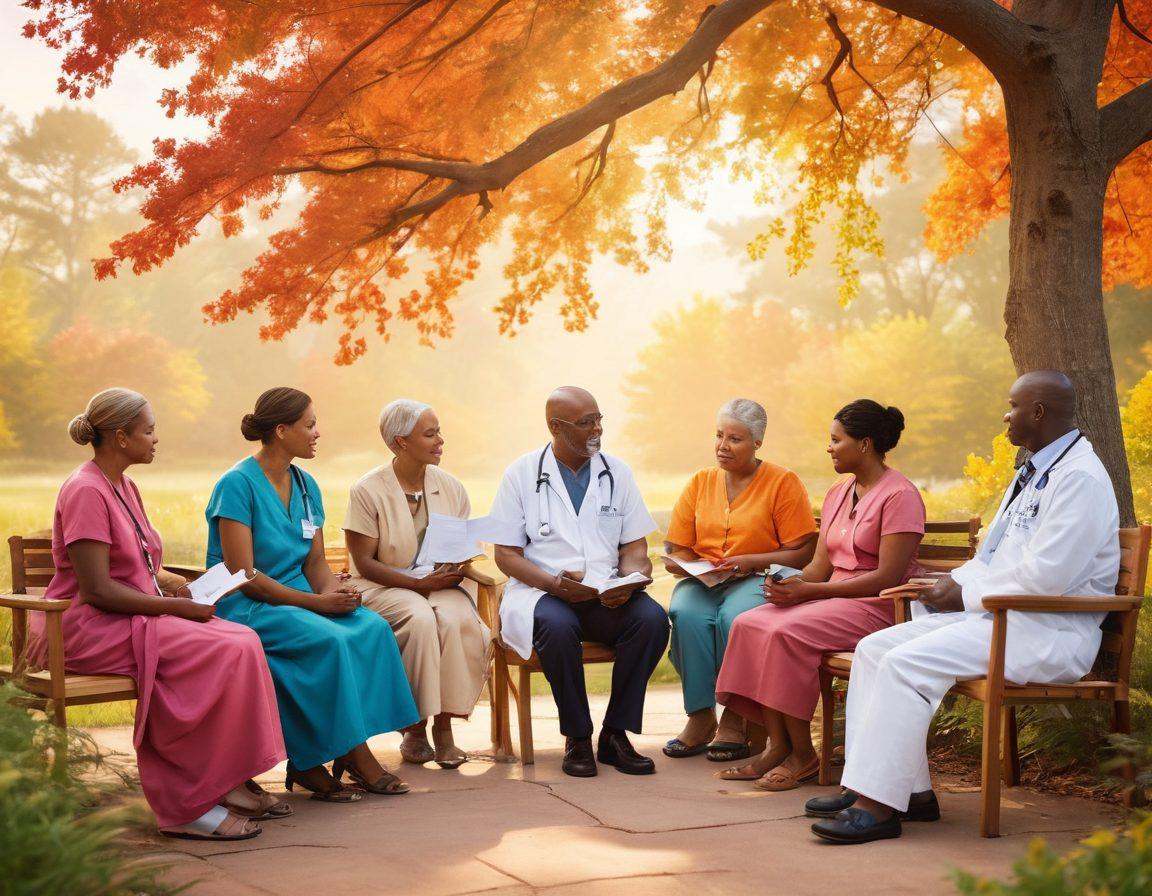
Empowering Patients: A Comprehensive Guide to Cancer Awareness and Support
Navigating the tumultuous waters of cancer diagnosis can feel like a daunting challenge. Just imagine waking up one day to the news that a tumor has been identified in your body. It's as if a cloud of uncertainty hangs over you, filled with questions and fears about what lies ahead. But amidst this storm, empowering patients through comprehensive awareness and support can serve as a beacon of hope. Understanding the nuances of oncology—from symptoms to treatment options—can prepare you not just for the journey through cancer but also for its aftermath: survivorship and living a fulfilling life. After all, as the saying goes, 'Knowledge is power.' How can we better equip ourselves and each other in the fight against malignancy?
An essential pillar of this empowerment is cancer awareness. It’s more than just recognizing symptoms or familiarizing ourselves with the complexities of cancer research; it’s about understanding that early detection can dramatically alter outcomes. Did you know that cancers detected at an early stage are often more treatable? Engaging in health education initiatives not only aids you in recognizing the warning signs but also prompts you to advocate for regular screenings. This is where support groups come into the picture, offering real-life patient stories and insights that can guide those navigating their cancer journey. When you hear someone share their experience with chemotherapy or immunotherapy, it transforms abstract concepts into relatable narratives.
Another critical aspect of this journey is patient support. As you delve into treatment options like radiation therapy and holistic health practices, the role of psychosocial support becomes increasingly clear. It's not just about managing physical symptoms—it's also about coping with the emotional upheaval that follows a diagnosis. Imagine having a team supporting you, not just medically, but emotionally. Patient advocacy groups play a crucial role here, ensuring that individuals feel heard and understood throughout their treatment journey. Tools such as rehabilitation programs and wellness resources can empower patients to reclaim their lives, enhancing their overall quality of health.
Moreover, we must recognize that navigating cancer isn’t just about survival; it's about thriving post-diagnosis. The conversation should extend beyond mere cancer treatment to include comprehensive survivorship resources. How can lifestyle changes play a role in preventing recurrence? Offering actionable advice regarding nutrition, exercise, and mental health can significantly impact a patient's overall health following treatment. Engaging in cancer support group discussions and finding a sense of community can lift spirits, reminding individuals that they are never alone in this fight. The journey may be uphill, but it is manageable, especially when we share our burdens and victories with others.
Lastly, the world of healthcare is constantly evolving, often thanks to groundbreaking clinical trials and research in oncology. Keeping up with the latest oncology news can arm you with new options should traditional treatments not align with your preferences or conditions. With advancements in immunotherapy and personalized medicine, the horizons for cancer treatment are continually expanding. So, what steps can you take today? Join a local cancer support group, seek out educational resources, or even volunteer your time to help raise cancer awareness. Every action counts, and together, we can forge paths toward a brighter, healthier future for those touched by cancer. Let’s empower each other, for in unity lies our strength.
Understanding Oncology: From Symptoms to Survivorship Resources for Every Patient
When it comes to understanding oncology, the journey can feel overwhelming for many patients and their families. You may be wondering, 'What symptoms should I be looking for? What is the difference between a tumor and a malignancy?' These questions are the starting point in a patient’s journey through the complex world of cancer awareness and treatment. It's vital to grasp how cancer manifests in the body and the importance of early detection, as this can significantly alter the course of treatment and recovery. As the old saying goes, 'Knowledge is power,' and in the context of oncology, that couldn't be more true.
Understanding the symptoms of cancer can be your first line of defense in the battle against this disease. Symptoms can be subtle and easily overlooked, making awareness essential. Whether it’s persistent fatigue, unexplained weight loss, or unusual lumps, these signals should never be taken lightly. Seeking timely diagnosis can lead to a better prognosis and potentially life-saving interventions. As you navigate this path, consider how knowledge of symptoms has empowered others in their journey—often leading them to seek immediate medical attention and, consequently, effective treatment options.
Once diagnosed, the next step involves understanding the array of cancer treatments available—each being a unique approach to dismantling malignancy. From traditional chemotherapy and radiation therapy to revolutionary immunotherapy, patient empowerment comes to life through informed choices. Cancer treatment isn’t a one-size-fits-all scenario; it involves a spectrum of options that are best suited for individual cases. The world of oncology and cancer research is ever-evolving, with exciting clinical trials offering new hope for patients who may feel they have exhausted their options. Wouldn’t you want to be a part of a pioneering treatment that could redefine the future of patient care?
Patient support is another crucial element in the cancer journey. Amidst the medical jargon and clinical appointments, it’s easy to feel isolated. However, cancer support groups provide an invaluable sense of community, facilitating connections between patients who share similar experiences. Psychosocial support plays a vital role in healing, often helping patients to cope with the emotional and psychological toll of their diagnosis. With personal stories shared in these groups, patients gain not only understanding but also a myriad of coping strategies that can lead them to holistic health.
The journey of a cancer patient doesn’t end with treatment; survivorship resources become paramount in fostering a life beyond cancer. Rehabilitation, lifestyle changes, and wellness techniques can contribute significantly to one’s health post-treatment. Educating yourself about features like patient advocacy and health education can empower you and those around you to lead healthier, more fulfilling lives post-cancer. How can you leverage your experience—perhaps even helping others on their journey? Embracing the challenges, learning from the battles fought, and advocating for increased awareness are not just options; they are powerful tools for change in the fight against cancer.
Building a Supportive Community: Your Guide to Cancer Treatment, Advocacy, and Wellness
Cancer affects not only the patient but also their family and friends, creating a ripple effect that permeates the community. Building a supportive network is crucial at this time, as it can uplift spirits and provide guidance through the tumultuous journey of cancer treatment. From oncology consultations to navigating the maze of symptoms and diagnoses, everyone deserves a reliable source of information and support. Whether you're a patient, a caregiver, or a friend, understanding the importance of patient advocacy and fostering a sense of community can make a world of difference.
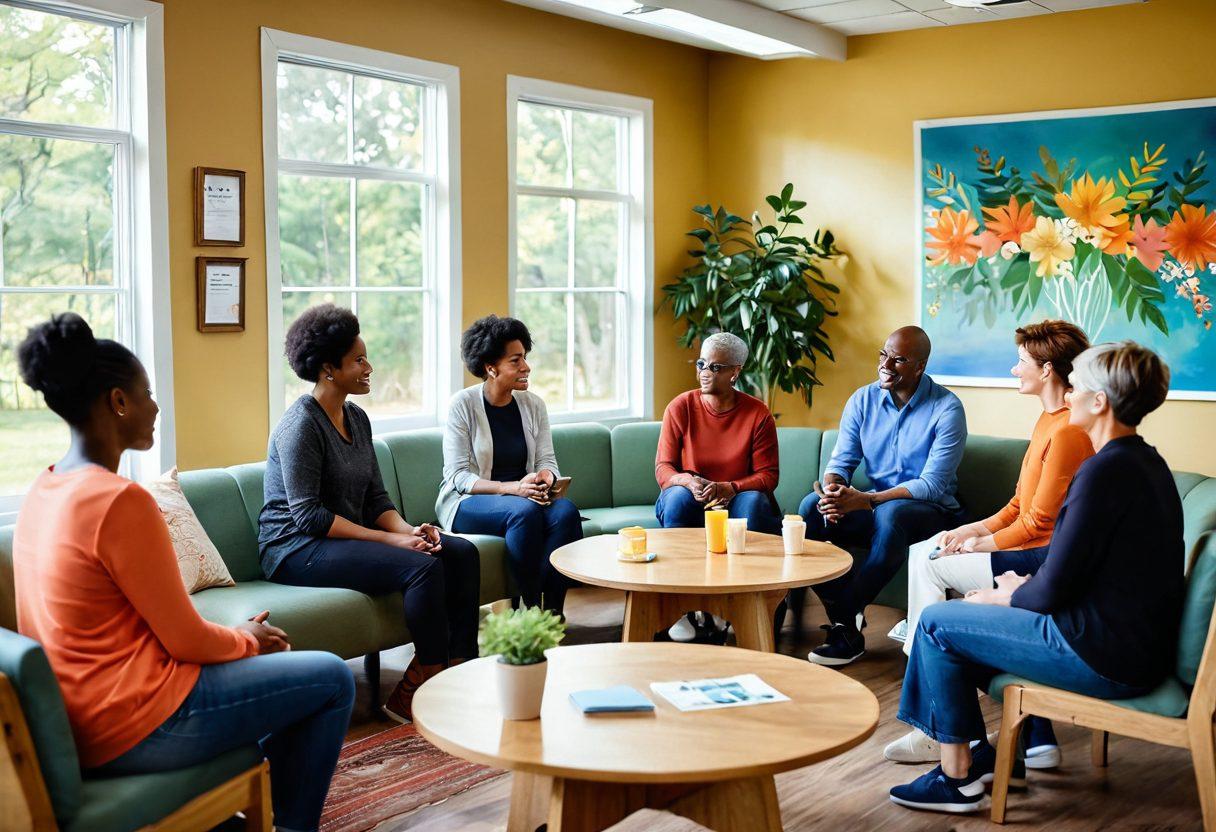
Picture this: You're sitting in a doctor's office, overwhelmed by a diagnosis of malignancy, your mind racing with thoughts of uncertainty. What do you do now? This moment can feel isolating, but it doesn’t have to be. Imagine walking into a room filled with others who understand your struggles—people who have stories to share, resources to offer, and a sense of camaraderie that is undeniably powerful. This is the essence of cancer support groups. With their focus on patient support and psychosocial health, they offer a lifeline when individuals most need it. After all, as Helen Keller once said, 'Alone we can do so little; together we can do so much.'
We often hear about clinical trials, immunotherapy, chemotherapy, and radiation therapy. With each treatment comes a suite of emotions—fear, hope, and longing for wellness. Yet there’s a growing shift towards a more holistic health approach. It’s not just about treating the tumor; it’s about treating the person. Connecting with oncology news, advancements in cancer research, and survivorship resources can empower patients and their families to make informed decisions. It opens doors to engaging discussions about lifestyle changes, early detection, and cancer prevention strategies that ensure a well-rounded approach to health.
The power of storytelling cannot be understated. Patient stories often provide comfort and inspiration. They remind us that we are not alone and that every journey is unique. Listening to others share their experiences with cancer treatment can unveil new perspectives and coping strategies. Have you heard of the woman who triumphed over her battle with a rare tumor by engaging in supportive online communities? Such stories highlight the importance of collective strength, showing us that while each person's fight is individual, the unwavering support from others serves as a backbone in these challenging times.
Feeling overwhelmed? Take a step back and consider this: What if you started actively seeking out knowledge? Not just about diagnosis and symptoms but also about rehabilitation and wellness. Education is a powerful tool. Engage with health education resources, attend workshops, or simply forge connections within cancer communities. By being proactive and involved, you’re advocating for both yourself and others in the fight against cancer. Remember, your health journey matters. Stand tall, connect with others, and embrace the myriad resources available to you. Together, we can build a robust support system that celebrates every step toward wellness.